Top Tech Launches of 2026 That Are Changing the Market | Pritam Roy
Top Tech Launches of 2026 That Are Changing the Market

The New Tech Standard
Nowadays, technology is not
associated with fancy press releases or promises of the future. Instead, it is
all about developing products which would help solve actual issues, cut
expenses, increase productivity, and ensure data security. It appears that nowadays
people opt for technologies that really bring benefits rather than those which
make a lot of noise due to marketing campaigns.
One of the most significant
technological trends throughout the first half of 2026 was the implementation
of AI-driven personal devices that analyze information locally, not on cloud
platforms. In addition to this, there were many improvements in the sphere of
spatial computing, renewable energy, digital healthcare, and autonomous
logistics.
The purpose of this guide is to
find out about the best tech launches of 2026 that are changing the market and
see how these products will help people save time and money.
Next-Gen Spatial Computing Gear
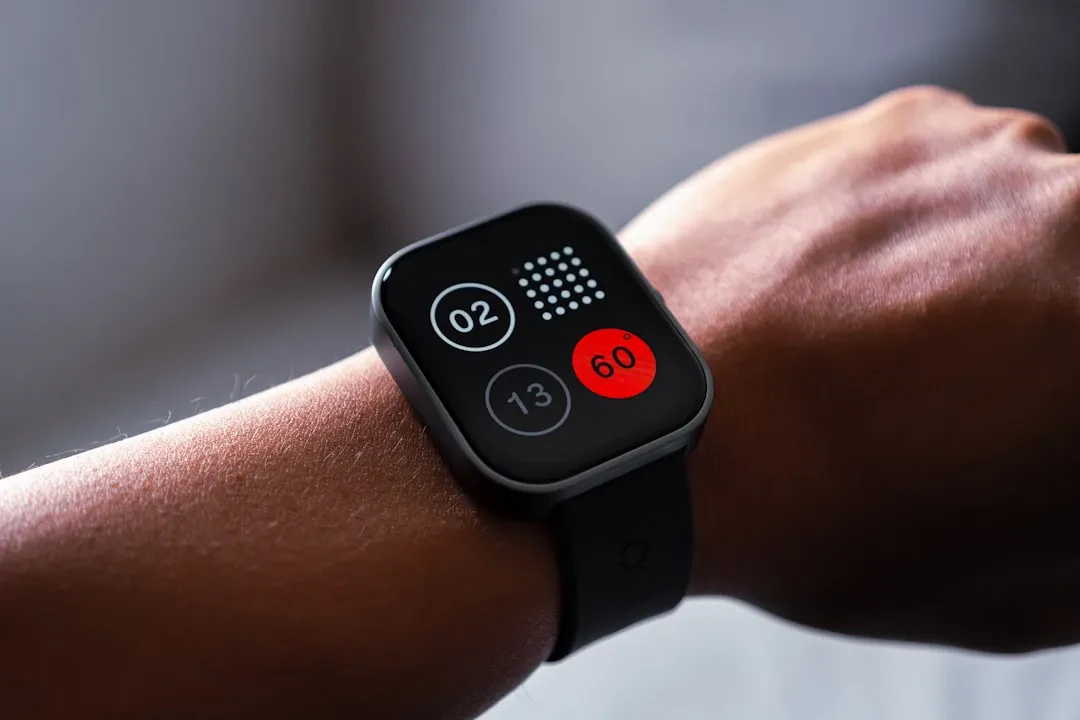
Wearables That Replace the Smartphone

The spatial computing devices
are much more lightweight, efficient, and practical than their predecessors.
The use of multiple screens is no longer required because of virtual
workstations through smart glasses.
As opposed to the older models
that were over 600 grams heavy, some 2026 models weigh less than 200 grams and
provide an FOV from 60° to 75°. Additionally, battery life has been increased
as some devices provide 8–10 hours of working time.
Due to this, one can have
several virtual screens without carrying any laptops or tablets.
Integration With Physical Workspaces

Modern offices are starting to
replace the classic dual monitor setup with virtual monitors that can be seen
using spatial computing glasses.
For instance, it was found that
a design consultancy cut hardware costs for workstations by 40% after
transitioning some of its creative designers to virtual workspaces. More screen
real estate was available for designers but at the same time fewer physical
monitors were needed.
Tech experts see the gradual
shift of the workplace from desk-based to more flexible thanks to spatial
computing technology.
The Rise of Personal Agent Hardware
Devices Built for Local AI
Another important type of launch
for 2026 is personal AI hardware.
The difference with cloud-based
assistants, which require information transfer to distant servers, is that
information is processed locally on the device using AI chips.
Advantages are:
- Fast reaction in milliseconds rather than several seconds
- Lower dependence on the Internet
- Better protection of privacy
- Less expensive cloud processing services
This year some AI gadgets were
introduced offering voice assistants without connection, document
summarization, language translation, and productivity apps.
Although the characteristics are
not the same, the customers usually focus on the following:
- Speed of AI processing
- Battery duration
- Capacity of storage
- Offline functions
- Safety features
Privacy-First Architecture
Privacy is now one of the
biggest factors behind purchases of new AI hardware.
New AI processors come equipped
with hardware enclaves to keep sensitive data away from applications, thus
making data access harder.
Actionable Tip
Patients must constantly keep track of:
- App permissions
- Microphone permissions
- Camera permissions
- Tracking of location
- History of using AI
An increasing number of
healthcare facilities use secure AI assistants on their devices that help
physicians make notes for patients without uploading any confidential data to
cloud servers.
Sustainable Energy Tech for Consumers
Home-Scale Solid-State Batteries

Energy storage technology has
witnessed rapid development in 2026.
A lot of companies have brought
out residential solid-state batteries which are safer, fast charging, and
durable than lithium-ion batteries.
Improvements made are:
- Less possibility of fires
- Fast charging
- Durable
- High energy density
Though initial cost is
relatively high, lower maintenance cost and lesser replacement frequency can
make it cheaper in the long run.
Smart Grid Energy Trading

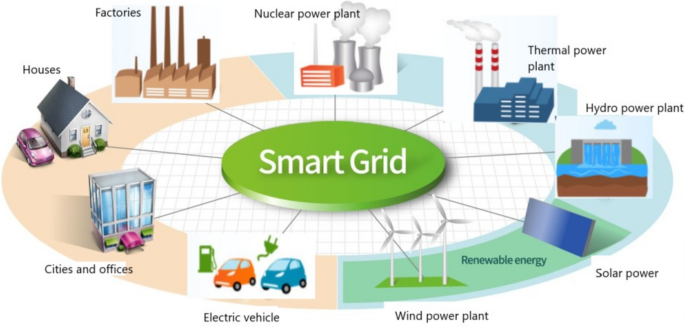
One other interesting
development is energy trading between peers.
Homeowners are no longer
constrained to sell extra solar power to utilities alone but can engage in
trading their extra energy with neighboring homes through smart grid systems.
Several energy trading
applications have been developed this year to help in automating pricing and
energy exchange depending on the neighborhood’s demand.
One such trading process in a
residential community led to an average reduction of about 20% in electricity
cost for each home.
Revolutionary Health Tech Wearables
Non-Invasive Glucose and Blood Monitoring
Advancements in health
technology are becoming increasingly less invasive.
The wearable devices launched in
2026 seek to track glucose levels and other health markers without the need for
constant finger pricking.
Although lab testing is the
accepted norm in the field of medicine, wearable devices give consumers
constant data which may help in making healthier choices every day.
The advantages could be as
follows:
- Detection of risk
- Diabetes management
- Preventive care
- Trend tracking
Neural Interface Wellness Tools
Another area that is rapidly
evolving is neural well-being technology.
Lightweight headbands along with
sensors measure the brainwaves to evaluate the stress level, concentration, and
the relaxation states.
A lot of devices come with
sleep-tracking features in order to provide personalized pre-sleep routine
depending on recovery and mental exhaustion.
It is becoming evident for
health professionals that the combination of several metrics like sleep
quality, stress, and exercise brings more information about overall well-being
than one metric alone.
The Shift to Autonomous Logistics
Last-Mile Delivery Swarms
The automation process is
constantly growing in major cities.
Rather than using one drone to
make deliveries, businesses use fleets of drones that can deliver several items
at once.
Combining such swarms with the
development of the next generation of communication technology, called 6G,
drones will be able to optimize routes and save time for delivery.
Some of the first experiments
have proven that delivery with the help of such swarms takes significantly less
time than the regular delivery does.
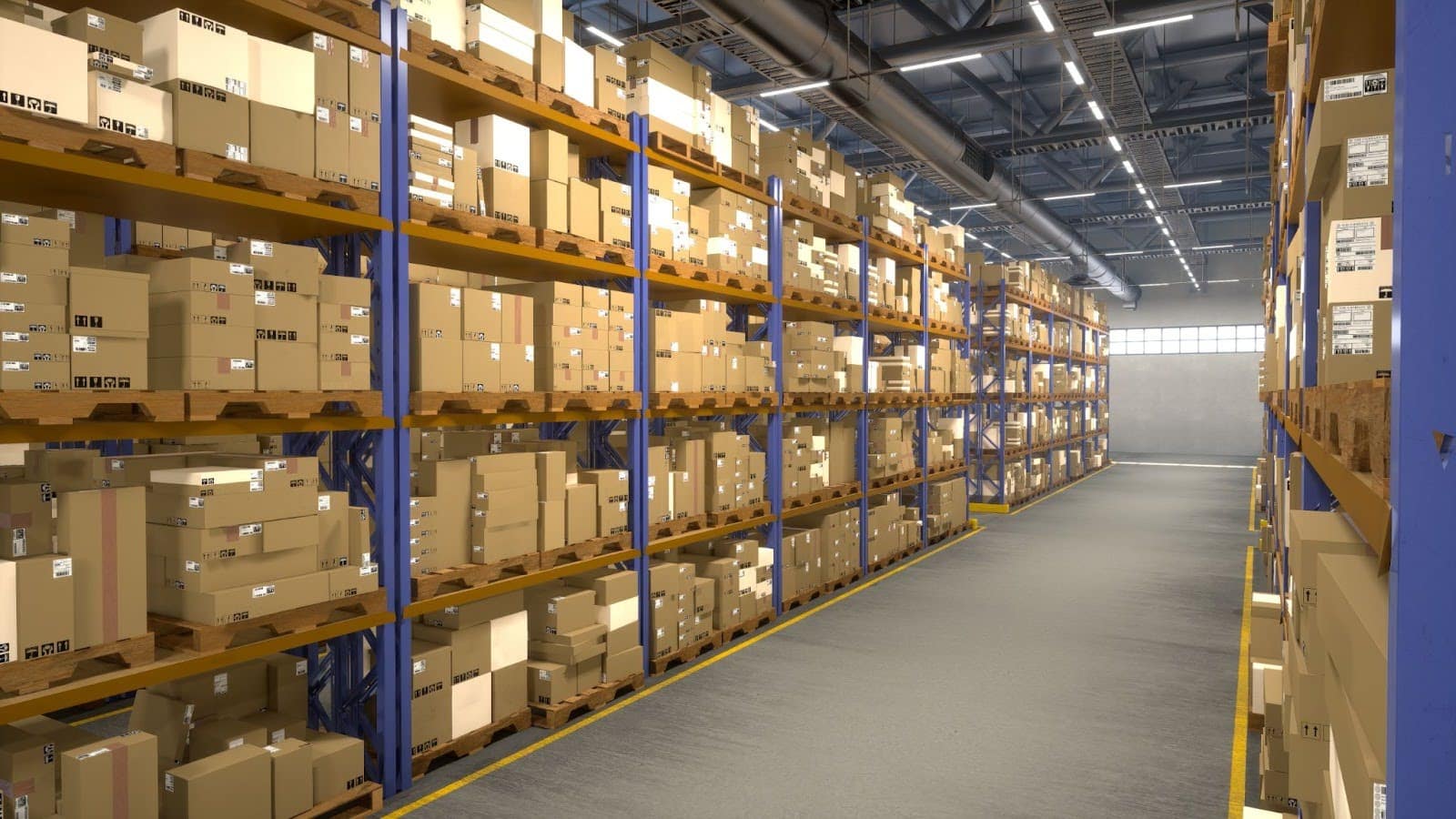
Autonomous Micro-Warehousing

Automated warehouses that are
relatively close to the customers are being built by many retailers.
Robots perform such activities
as managing stock, packing goods, and making deliveries inside these warehouses
without much human involvement.
Today, some companies that deal
in retail provide 30-minute deliveries using such technologies as
micro-warehouses and autonomous delivery vehicles.
What Small Businesses Can Learn
Small organizations need not
establish their own infrastructure for automation. Rather, they should
collaborate with logistics service providers who offer:
- Shared fulfillment centers
- Automation for inventory management
- Same-day delivery services
- Artificial intelligence for shipping optimization
Preparing Your Business for These Shifts
However, the successful
implementation of emerging technology needs proper planning.
- Before purchasing new technology,
- Organizations need to recognize their issues
- They should estimate their return on investment
- Technology should be tested via pilot programs
- Proper training of workers
- Evaluation of their cyber and privacy policies
- Long-term costs of maintenance
In addition, it is crucial to be
vigilant when choosing a product that generates excitement without any business
value.
Indicators of “hype-ware”
include exaggerated performance promises, few case studies, ambiguous pricing,
insufficient customer services, and security documentation.
Conclusion
The best tech debuts of 2026
illustrate the fact that technological innovation is increasingly becoming more
pragmatic in nature. Be it spatial computing, locally-based AI hardware, solid
state batteries, sophisticated health wearables, or autonomous logistics;
today’s most important technologies concentrate on making things more efficient
and cost-effective.
Organizations which are able to
analyze these technologies, focus on their benefits and be flexible in their
thinking will be in a position to compete successfully in future.



Comments
Post a Comment